Gardeners Barbican: Recycling and Sustainability
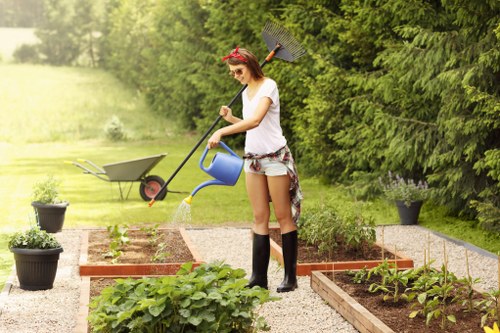 Gardeners Barbican champions an eco-friendly waste disposal area and a community-led approach to a sustainable rubbish gardening area. This page explains our ambitions, daily practices and partnership work to reduce waste and lower the carbon footprint of green-space maintenance across the Barbican and nearby estates. We combine practical on-site separation with strategic collection and reuse so that waste from beds, planters and communal green areas is treated as a resource rather than refuse.
Our programme for Barbican gardeners integrates the boroughs' approach to waste separation: organic green waste, mixed recycling, and small-scale hazardous or bulky items are segregated at source. Separation at the compost bay and clear, labelled bins are cornerstones of the policy, so volunteers and contractors know exactly where to deposit prunings, soil, pots and packaging. The result is cleaner streams for recycling and higher recovery rates for compostable material.
Recycling percentage target and measurable goals
We have set a community recycling percentage target of 70% diversion of garden-associated waste from landfill within three years. This target combines reuse, on-site composting and transfer to local facilities. The target is realistic for urban gardening projects when green waste, wood, cardboard and recyclable plastics are separated, and bulky items such as terracotta pots are collected for refurbishment or charity reuse.Local transfer stations and collection logistics
Gardeners Barbican works with several local transfer stations and borough transfer hubs that accept separated streams from community projects. These include neighbouring borough facilities in Islington and Tower Hamlets and City of London transfer points that specialise in organic recycling and construction-type arisings. Using designated transfer stations helps the project ensure that compostable matter goes to anaerobic digestion or industrial-scale composting, recyclables reach material recovery facilities, and reusable items are diverted to charity partners.
Partnerships with charities and reuse networks
We maintain formal and informal partnerships with local charities and social enterprises to prevent useful items from being discarded. Partners include community reuse charities and refurbishment schemes that accept plant pots, benches, tools and timber. Collaborations are central to the sustainable rubbish gardening area model: instead of sending materials to landfill, we channel them to organisations that can repair, resell or repurpose them. Key activities supported by partners include:
- Tool refurbishment and redistribution to community gardening groups
- Pot and trough repair programmes that reduce the need for new plastics
- Compost sharing schemes that return stabilized organic matter to local green spaces
To support these flows we operate scheduled collections and drop-off windows aligned with transfer station opening times. The project coordinates with local estate managers so small vans and volunteer crews can make consolidated runs, minimising vehicle miles. We emphasise careful sorting at the eco-friendly waste disposal area so mixes are avoided and material quality remains high for recycling streams.

Low-carbon vans and sustainable transport
A low-emission collection fleet is part of the plan: we use electric and plug-in hybrid vans for short, frequent runs across the Barbican footprint. Low-carbon vans reduce noise and air pollution in the estate and cut the embodied transport emissions of waste operations. Combined with route consolidation and timing that avoids peak traffic, our transport approach complements on-site sustainability measures and supports the wider objective of Barbican gardeners sustainability.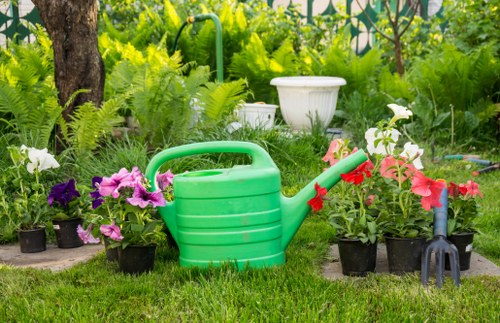 How the eco-friendly waste disposal area works day-to-day — practical steps for gardeners, contractors and volunteers include clear labelling, routine checks of bins, and seasonal audits of material flows. We encourage everyone to adopt the following habits to keep the sustainable rubbish gardening area effective:
- Sort on arrival: separate green waste, mixed recyclables, reusable items and non-recyclable residuals.
- Use designated containers: compostable sacks and wooden bays for yard waste, sealed containers for small sharp items, and covered areas for pots awaiting reuse.
- Record transfers: simple logs for material volumes sent to transfer stations or charities to measure progress toward the recycling target.
Beyond operations, we promote education and volunteer training so that contributors understand why clear separation matters. Training sessions and short briefings for seasonal staff ensure minimal contamination of recycling streams and maximum recovery of valuable compostables and materials for reuse.
Finally, the sustained success of Gardeners Barbican's recycling initiative depends on shared responsibility: authorities' waste separation schemes, charity partners' capacity to accept items, and community commitment to reduce waste upstream. By combining an eco-friendly waste disposal area with a thriving sustainable rubbish gardening area, and by using low-carbon vans and trusted transfer stations, we aim to meet our recycling percentage target while strengthening local green infrastructure and supporting circular reuse networks.

