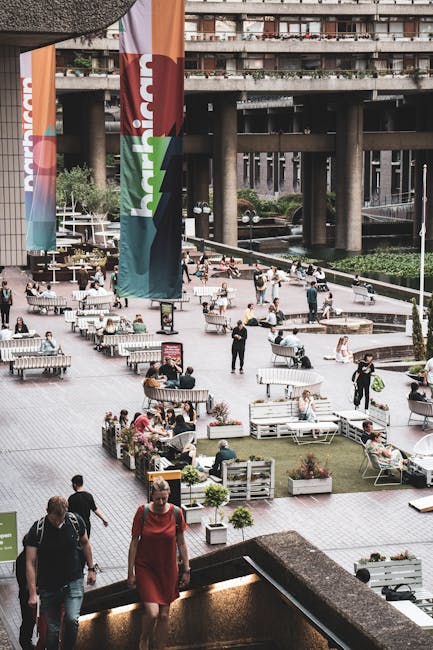
What to know about Barbican gardeners for Silk Street terraces
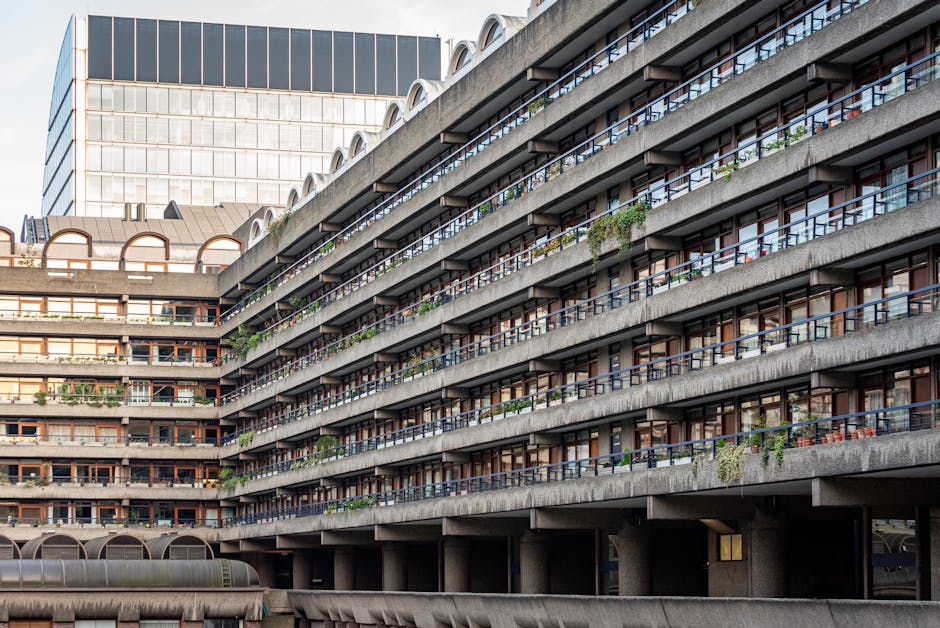
If you live or manage a terrace near Silk Street, you already know the small things matter: a planter that's too heavy, a hedge that shades the wrong corner, a maintenance visit that arrives at the wrong time of day. What to know about Barbican gardeners for Silk Street terraces is really about making outdoor space work in a dense, modern setting where access, privacy, planting choice, and building rules all shape the final result. Done well, a terrace feels calm and useful. Done badly, it becomes cluttered, awkward, and a bit of a headache.
This guide breaks down the practical side of choosing, briefing, and working with Barbican gardeners for Silk Street terraces. You'll get a clear sense of how terrace care works, what benefits to expect, which mistakes cost people time and money, and how to make sensible decisions without overcomplicating things. Let's face it, a terrace should be a pleasure, not another item on the to-do list.
Why What to know about Barbican gardeners for Silk Street terraces Matters
Terraces in the Barbican and around Silk Street are not ordinary garden spaces. They're often elevated, compact, exposed to wind, and built around privacy as much as greenery. That changes everything. A planter that looks fine in a suburban back garden can behave very differently on a terrace where gusts funnel between buildings and sunlight shifts sharply across the day.
That's why the right gardener matters. Not just someone who can cut back a shrub or water a few pots, but someone who understands terrace planting, material weight, drainage, balcony-style restrictions, and the visual balance of a space that is usually seen from inside as much as outside. In a place like Barbican, the terrace is part of the architecture. It has to sit neatly with the building, the access routes, and the way you actually live.
There's also the practical side. A terrace that's left to drift can become expensive to fix. Pots dry out quickly in summer. Dead leaves collect. Roots outgrow containers. Timber decking or raised edges can need checking. And if maintenance is sporadic, you end up paying for a rescue job instead of a tidy, steady upkeep plan. Nobody wants that surprise at the wrong moment, do they?
For many residents and property managers, the value is not just visual. It is about keeping the outdoor area usable, safe, and presentable through the year. That matters for everyday enjoyment, but also for building standards, letting expectations, and the general feel of the property. A well-kept terrace changes how a flat feels the second you step onto it.
How What to know about Barbican gardeners for Silk Street terraces Works
In practical terms, terrace gardening in this part of London usually starts with a site review. A good gardener will look at sun exposure, wind, access, water availability, drainage, planter condition, and the kinds of plants already in place. They may also ask how the space is used: quiet reading nook, entertaining area, privacy screening, or simple seasonal colour. That first conversation matters more than people think.
From there, the work often falls into a few recurring strands. Regular visits may include watering, feeding, deadheading, pruning, shaping, pest checks, leaf clearance, and replacing tired plants. Some terraces need more structural work, such as repotting, refreshing soil, or improving the planting mix so it holds moisture without turning soggy. Others need a lighter touch: tidy edges, a bit of hedge shaping, and thoughtful seasonal change.
Access can be a big part of the process in the Barbican area. Narrow entrances, shared circulation spaces, lift use, or resident rules can all influence how materials and tools are brought in and out. A sensible gardener plans for this from the start instead of arriving with a van full of "we'll figure it out when we get there" energy. That approach rarely ends well.
It's also worth noting that terrace work is often more precise than standard garden care. There is less room for error. A missed watering cycle can show quickly. A poorly chosen plant can overpower the whole composition. A sloppy cut can leave a terrace looking uneven from the living room windows every single morning. So the work is both horticultural and visual. Both matter.
Key Benefits and Practical Advantages
When terrace gardening is handled properly, the benefits show up in both appearance and day-to-day use. A few of the biggest advantages are worth calling out clearly.
- Better year-round presentation: A well-managed terrace stays tidy, which is especially important in buildings where outdoor space is visible from neighbouring flats or shared walkways.
- Healthier plants: Regular checks help catch stress early, from dry compost to pests and root-bound containers.
- More usable space: Good planting layout leaves room for seating, movement, and storage rather than cluttering the terrace.
- Improved privacy: Careful placement of screening plants can soften sightlines without making the terrace feel boxed in.
- Less waste and less stress: Planned maintenance reduces emergency replacements, overwatering mistakes, and preventable damage.
There is a quieter benefit too: confidence. When your terrace has a clear care routine, you stop worrying about whether the bamboo has tipped, whether the planters are too dry, or whether the whole thing looks neglected. You just enjoy it. Simple as that.
If you are comparing service types, it can help to see terrace care as part of a wider maintenance approach. A provider with broader experience across garden maintenance, landscape gardening, and seasonal tidying is usually better placed to handle terrace-specific issues than someone offering only one-off cosmetic work.
Who This Is For and When It Makes Sense
Barbican gardeners for Silk Street terraces are a sensible fit for several types of property owner and occupier. The first group is private residents who want their terrace to feel like an extension of the living room rather than a tired afterthought. The second is landlords or managing agents who need the outside space to look presentable for tenants, inspections, or valuations. The third is anyone using the terrace as a practical amenity area and wanting it to stay safe, clean, and attractive.
It makes sense especially when any of these apply:
- the terrace has become cluttered with pots and mixed plant sizes
- plants are failing because they are too exposed or under-watered
- you need privacy without blocking light completely
- the space needs a seasonal refresh before spring or autumn
- debris, weeds, or leaf build-up is becoming noticeable
- you want a low-drama maintenance plan rather than constant reactive fixes
Truth be told, some people only start looking for help once the terrace has reached that awkward stage where it looks half-loved but not fully cared for. That's still fixable. In fact, it's often the best time to step in, because a few considered changes can make a surprisingly big difference.
If your current setup already includes planting features, screening, or structured hard landscaping, it can also be useful to think beyond routine tidying. Services such as hedge trimming, decking services, and landscaping may become relevant depending on how the terrace is built and used.
Step-by-Step Guidance
If you want a terrace that stays under control and actually feels good to use, a structured approach helps. Here's a practical way to think about it.
- Assess the terrace honestly. Look at the space in daylight and notice where water pools, where wind hits hardest, and which areas feel cramped or exposed.
- Decide the main purpose. Is this for privacy, decoration, relaxation, entertaining, or all four? A terrace with no clear purpose often becomes a jumble.
- Review the planting. Check whether current plants suit the light, the wind, and the size of the containers. Some plants fail simply because they are in the wrong place.
- Plan access and logistics. Think about carrying materials, watering, waste removal, and any building-specific rules that affect how work is done.
- Set a maintenance rhythm. Regular, smaller visits are often better than large gap-to-gap interventions. A little and often usually wins here.
- Record what works. Keep notes on which plants thrive, which fail, and what needs replacing. This sounds fussy, but it saves time later.
- Refresh seasonally. Rotate planting, tidy containers, and adjust watering plans as the weather changes. London terraces can swing from dry and bright to damp and windy pretty fast.
A useful tip: stand inside the flat and look out at the terrace, not just the other way around. That viewpoint catches visual problems very quickly. A pot that looks fine up close may block a line of sight from the sofa or make the whole arrangement feel unbalanced from indoors.
Expert Tips for Better Results
Experienced terrace gardeners tend to work with the space, not against it. That sounds obvious, but you'd be surprised how often people force a design that simply doesn't suit the setting.
Choose containers with proper drainage. Terraces need pots that can shed excess water cleanly. No one wants a soggy root system sitting in the bottom of a decorative planter for weeks on end.
Think in layers. A mix of tall, medium, and trailing planting often works better than one row of identical pots. The eye relaxes when there's depth.
Use structure sparingly. Screening plants are useful, but too much solid growth can make a terrace feel boxed in. Better to aim for filtered privacy than a wall of greenery everywhere.
Prioritise resilience. On exposed terraces, plants that tolerate wind and variable moisture usually outperform more delicate choices. That doesn't mean the space has to be boring. It just means the plant list should be realistic.
Plan for maintenance before you plant. If a beautiful arrangement is impossible to water safely or prune without awkward contortions, it may not be the right arrangement at all. Sounds obvious, but it gets missed a lot.
Keep the finish neat. In terrace spaces, the edges matter. Clean pot lines, tidy surfaces, and consistent plant heights make the whole area feel more expensive and more cared for, even if the planting itself is simple.
And one more thing: don't be afraid of restraint. A terrace does not need to look like a botanical garden to feel smart. Sometimes the best result is calm, balanced, and just a bit understated. That is often what suits Barbican living best.
Common Mistakes to Avoid
Most terrace problems are preventable. They usually come from poor planning, a rushed plant choice, or maintenance that's too irregular to keep up. Here are the ones that come up most often.
- Choosing plants for appearance alone: A plant can look perfect in a nursery and still struggle badly in terrace conditions.
- Overcrowding the space: Too many containers make movement awkward and can create a cluttered, cramped feel.
- Ignoring weight and structure: Large planters, wet compost, and heavy decorative features can add up quickly. That matters on terraces.
- Neglecting watering rhythm: Terrace planting often dries out faster than people expect, especially in warmer spells or on windy exposures.
- Forgetting seasonal pruning: Left alone, shrubs and screening plants can become leggy or uneven very quickly.
- Using one-off fixes for ongoing issues: A tidy-up helps, but if the underlying planting design is wrong, the problem returns.
One slightly funny truth: a terrace can look calm and effortless while quietly demanding a decent amount of thought behind the scenes. The plants do not care that you are busy. Nature has a rather rude schedule sometimes.
The best way to avoid these missteps is to treat the terrace like a living system, not a static decoration. Once you make that mental shift, decisions get easier.
Tools, Resources and Recommendations
For terrace work, the best tools are often the simple ones used consistently. A decent watering can, pruning shears, gloves, a soil moisture check, and a waste plan go a long way. For larger or more complex terraces, you may also need lightweight transport solutions, pot movers, or specialist containers suited to exposed conditions.
When choosing a service, it helps to look at the wider support available too. Some providers keep the process straightforward through pages like services overview and pricing and quotes, which can be useful if you are comparing maintenance scopes, one-off visits, and longer-term care plans.
If you care about responsible disposal and lower waste, ask how green waste and old materials are handled. A practical provider should be able to explain their approach in plain English. Pages such as recycling and sustainability can also give you a sense of the company's approach to offcuts, packaging, and greener working habits.
For reassurance around working practices, it's reasonable to look for clear details about safety and cover. On a terrace, especially where access is tight or work involves height, the basics matter. That's where references to insurance and safety and health and safety policy become useful. It's not glamorous, but it is part of hiring responsibly.
Law, Compliance, Standards, or Best Practice
Terrace gardening in a managed urban setting is usually less about formal legal complexity and more about good practice, access awareness, and respecting building rules. Still, a few points are worth keeping in mind.
First, check whether your building has any requirements around shared access routes, noise, working hours, waste removal, or lifting materials through common areas. These are often managed through the property or building team rather than through the gardener directly. A competent service should be willing to work within those boundaries.
Second, safety matters if any work involves ladders, elevated edges, electrical equipment, or moving heavy planters. Good practice is to use appropriate equipment, avoid unnecessary risk, and handle materials carefully. That's not just for the gardener's sake. It protects residents, neighbours, and the fabric of the building.
Third, it helps to think in terms of plant and waste responsibility. Dead plants, cuttings, and packaging should be removed properly. If compost or soil is being replaced, it should be done in a tidy way that avoids spills, blocked drains, or mess on shared surfaces.
Finally, be cautious about overpromising. No one can guarantee a plant will thrive forever in a windy terrace just because it looked happy for a month. Good gardeners talk honestly about exposure, maintenance frequency, and realistic expectations. That honesty is part of the service.
For readers who want to understand the company's broader policies, a responsible provider will usually make their terms and procedures available, including terms and conditions, privacy policy, cookie policy, accessibility statement, and complaints procedure. Those pages may not seem terrace-specific, but they do help build trust.
Options, Methods, or Comparison Table
Not every terrace needs the same kind of help. Sometimes a light maintenance plan is enough. Other times the space needs a more hands-on redesign. Here's a simple comparison to make the choice clearer.
| Approach | Best for | What it usually includes | Main trade-off |
|---|---|---|---|
| Light upkeep | Terraces already in decent shape | Watering, tidying, deadheading, basic pruning | Limited help if the layout is flawed |
| Seasonal refresh | Spaces that need a fresh look a few times a year | Plant replacement, re-potting, compost top-up, styling adjustments | Less continuity than ongoing care |
| Regular maintenance | Busy households or managed terraces | Scheduled visits, monitoring, pruning, plant health checks | Requires commitment and a recurring budget |
| Full terrace redesign | Spaces that feel tired, cluttered, or poorly planned | Planting strategy, container choices, screening, structural improvements | More upfront effort and decision-making |
If you are unsure which route to take, ask what kind of result you want six months from now. That question cuts through a lot of confusion. A terrace that only looks good for one photo is not the same thing as a terrace that works through summer, autumn, and the damp bits in between.
Case Study or Real-World Example
Here's a realistic example. A Silk Street terrace had a mix of mismatched pots, a screening plant that had become sparse at the base, and several containers that dried out too quickly in hot weather. From inside the flat, the space looked unfinished. From the outside, it felt a little chaotic. Nothing terrible, just not quite right.
The first step was a straightforward review: which pots were worth keeping, which plants were failing, and where the terrace was getting the most wind. Rather than starting again completely, the approach focused on stabilising the layout. The oversized containers were moved to stronger positions, the screening was thinned and reshaped, and the weaker planting was replaced with tougher varieties better suited to the exposure.
A maintenance schedule followed. That made the difference. Instead of waiting for things to wilt, the terrace got checked regularly, with a quick eye on water levels and an occasional tidy-up of the edges. By late summer, the space looked calmer, and more importantly, it felt easier to live with. No drama. No constant rescue work. Just a usable terrace that matched the flat better.
That kind of outcome is common when the basics are handled well. Not every terrace needs major surgery. Sometimes it just needs attention, consistency, and a bit of local judgement.
Practical Checklist
Use this checklist before booking work or starting a refresh on a terrace near Silk Street.
- Check how much sun, shade, and wind the terrace gets across the day
- Confirm how access works for tools, materials, and waste removal
- Decide whether the main goal is privacy, display, or low-maintenance use
- Review which plants are thriving and which are failing
- Look for signs of overwatering, under-watering, or poor drainage
- Inspect containers for cracks, instability, or weight concerns
- Confirm the maintenance frequency you actually need
- Ask how pruning, deadheading, and replacement planting will be handled
- Make sure safety, insurance, and building access rules are clear
- Keep a simple record of what changes are made and when
If you can tick most of those boxes, you are already ahead of the curve. Seriously. That alone avoids a lot of the usual terrace frustration.
Conclusion
What to know about Barbican gardeners for Silk Street terraces comes down to one simple idea: terrace care is most effective when it's tailored to the space, not forced into a generic garden model. The best results come from understanding exposure, access, planting structure, and the everyday way you use the terrace. That is what keeps the space attractive, practical, and easy to enjoy.
If you remember nothing else, remember this: a good terrace is planned for real life. Not just for a nice-looking afternoon, but for the windy days, the busy weeks, and the moments when you want to step outside with a coffee and feel everything settle a little. That is the real value.
Get a free quote today and see how much you can save.
If you want a clearer understanding of the company behind the service, you can also review about us or start from the main site at Gardeners Barbican. When a terrace is looked after properly, it stops being a project and starts being part of home. That's the aim, really.
Frequently Asked Questions
What do Barbican gardeners typically do for Silk Street terraces?
They usually handle planting care, watering, pruning, deadheading, container maintenance, seasonal refreshes, and general tidying. Some also help with privacy planting and terrace layout improvements where needed.
How often should a terrace be maintained?
It depends on exposure and planting choice. A windier, sunnier terrace may need more frequent visits, especially in warmer months. Many people find regular smaller visits work better than occasional big jobs.
Are terrace plants harder to care for than garden plants?
Often, yes. Containers dry out faster, wind can be harsher, and there is less room for root growth. That means the plant choice and maintenance schedule matter more than they would in a ground-level garden.
Can gardeners help make a terrace feel more private?
Yes. They can recommend and maintain screening plants, shape hedging, or arrange planting so sightlines are softened without making the space feel boxed in.
What should I ask before hiring someone for terrace work?
Ask about terrace experience, access planning, watering routines, plant replacement, waste removal, safety, insurance, and how they handle difficult exposures. Those answers tell you a lot very quickly.
Do terraces in the Barbican need special plant choices?
Usually they do. Exposure, container size, and wind all affect plant performance, so resilient species often work better than more delicate ones. A good gardener will choose plants that suit the actual conditions, not just the look.
Is one-off terrace work enough?
Sometimes, if the space is already in good shape. But if the terrace dries out quickly, has screening issues, or needs seasonal upkeep, an ongoing plan is usually more effective and less stressful.
How do I know if my terrace is overplanted?
If movement feels tight, light is blocked, or the arrangement looks crowded from inside the flat, it may be overplanted. Too many pots can also make watering and maintenance awkward.
What are the most common problems with Silk Street terraces?
Common issues include wind exposure, fast-drying containers, poor plant choice, cluttered layouts, and inconsistent maintenance. None of these are unusual, and most are fixable with a sensible plan.
Do I need to worry about safety or building rules?
Yes, especially with shared access, heavy planters, or work near edges. Good practice is to follow building requirements, use appropriate equipment, and confirm insurance and safety arrangements before work begins.
Can terrace maintenance be eco-friendly?
Yes. Responsible waste handling, recycling where possible, and choosing longer-lasting plants can all reduce waste. Watering efficiently and avoiding unnecessary replacements helps too.
What is the best first step if my terrace looks tired?
Start with a simple assessment of light, wind, drainage, and plant condition. Then decide whether you need upkeep, a seasonal refresh, or a more thorough redesign. A clear first look saves time later.