Garden maintenance for Barbican Estate apartments
If you live in, manage, or look after apartments around the Barbican Estate, you already know the greenery is doing a lot of quiet work. It softens the concrete, makes shared spaces feel calmer, and adds that rare bit of breathing room in the middle of London. Garden maintenance for Barbican Estate apartments is not just about making things look tidy for a day or two. It is about keeping communal planting healthy, pathways clear, waste under control, and the whole outdoor area usable through wet weeks, dry spells, and the usual London oddities in between.
Truth be told, the challenge is often less about gardening itself and more about consistency. Apartment blocks need a maintenance rhythm that respects neighbours, access routes, shared ownership, and the fact that one neglected corner can quickly affect the whole setting. In this guide, we will walk through how it works, what to prioritise, where problems usually start, and how to keep the place looking cared for without turning it into a constant project.
Table of Contents
- Why Garden maintenance for Barbican Estate apartments Matters
- How Garden maintenance for Barbican Estate apartments Works
- Key Benefits and Practical Advantages
- Who This Is For and When It Makes Sense
- Step-by-Step Guidance
- Expert Tips for Better Results
- Common Mistakes to Avoid
- Tools, Resources and Recommendations
- Law, Compliance, Standards, or Best Practice
- Options, Methods, or Comparison Table
- Case Study or Real-World Example
- Practical Checklist
- Conclusion
- Frequently Asked Questions
Why Garden maintenance for Barbican Estate apartments Matters
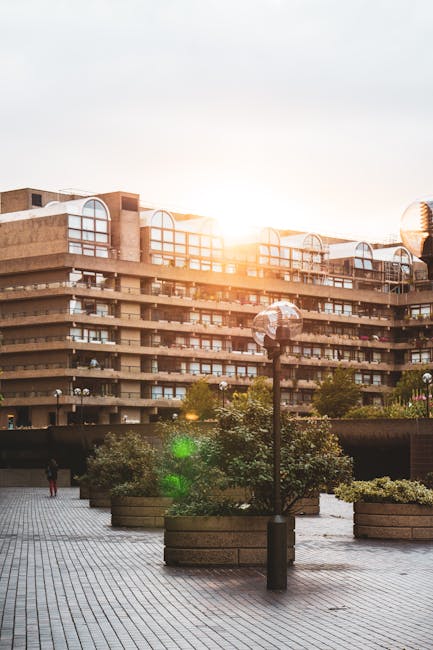
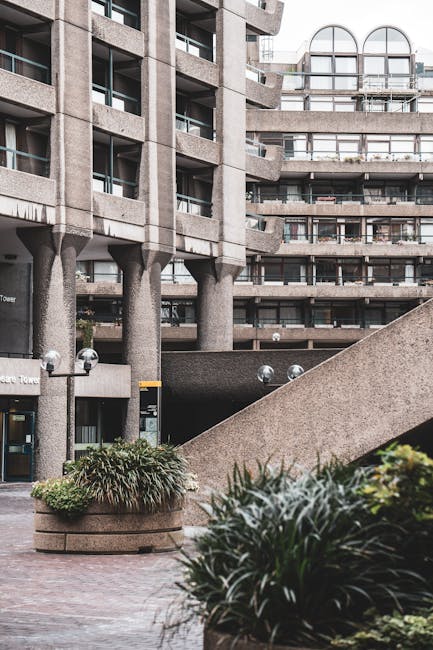
At the Barbican, outdoor space is rarely an afterthought. Even small planted beds, terrace edges, rooftop containers, or courtyard borders can shape how the whole development feels. When maintenance slips, the change is surprisingly fast: weeds thicken, leaves block drains, hedges lose form, and paths start feeling less inviting. You notice it in small ways first. A patch of overgrowth. A damp smell after rain. A missed litter corner that somehow becomes everybody's problem.
For apartments, garden care matters because these spaces are shared. That means upkeep is not just visual. It affects safety, access, neighbour relations, and long-term plant health. A well-kept communal garden also supports the value of the building's presentation. Nobody wants the first impression of a managed estate to be a sagging hedge and a wheely bin wedged behind a dead shrub, do they?
In a place like Barbican, maintenance also has a design element. The estate's architecture and planting often work best when they look deliberate, not overgrown. Clean lines, controlled growth, and thoughtful seasonal changes suit the environment better than a "let nature take over" approach. A little structure goes a long way.
How Garden maintenance for Barbican Estate apartments Works
Good maintenance is usually planned as a recurring service rather than a one-off tidy-up. The exact schedule depends on the planting style, exposure, foot traffic, and how much access the gardener has. In practice, apartment garden maintenance often includes mowing, edging, pruning, weeding, leaf clearance, deadheading, hedge trimming, and basic plant health checks. Some sites also need pressure-free work around decking, planters, or paved common areas.
The process usually starts with a site walk. That is where the work becomes specific. A terrace with containers needs a different approach from a shaded courtyard or a narrow communal planting strip. If the space gets wind tunnel effects between buildings, for example, the plants may need staking, heavier watering checks, or more selective pruning. Simple enough, but it does matter.
From there, a sensible plan sets out what is done weekly, fortnightly, monthly, and seasonally. One-off tasks like garden clearance may be used when the space has been neglected or after storms, while ongoing services keep it from getting back to that point. If the site also needs structural improvements, you might combine maintenance with landscaping or occasional landscape gardening work. For heavier tidy-ups, garden clearance can reset the space before a maintenance plan takes over.
Key Benefits and Practical Advantages
The most obvious benefit is appearance, and yes, that matters. But the real value is broader than a nice view from the window. Ongoing care protects the planting scheme, keeps communal areas usable, and reduces the chance of expensive recovery work later.
- Better first impressions: A neat shared garden makes the whole property feel more cared for.
- Healthier planting: Regular pruning, feeding awareness, and weed control help plants stay vigorous.
- Less reactive work: Ongoing maintenance usually costs less effort than repeated emergency clear-ups.
- Improved safety: Clear paths, managed growth, and fewer hidden obstacles help residents and visitors move around more easily.
- Better neighbour experience: Tidiness reduces complaints about encroaching branches, leaf build-up, or messy shared spaces.
There is also a quieter benefit: peace of mind. When the maintenance schedule is working, residents do not need to think about the garden all the time. It simply looks fine. That sounds minor until you live somewhere with shared external space. Then you realise how much lighter it feels when the garden is one less thing to chase.
And for apartment buildings with limited outdoor footprint, every square metre matters. A small maintained area can feel bigger, brighter, and more usable than a larger neglected one. That is not magic. Just good care.
Who This Is For and When It Makes Sense
Garden maintenance for Barbican Estate apartments is relevant to a few different groups, and each one tends to have slightly different concerns.
- Leaseholders and residents: If your home opens onto shared planting, you want it tidy without being over-managed.
- Block managers and property managers: Consistency, access, and clear communication are usually the big priorities.
- Freeholders and building owners: Presentation and long-term condition often sit at the centre of the brief.
- Resident groups or housing committees: You may be balancing different preferences about neatness, biodiversity, and budget.
It makes sense to bring in a professional gardener when the space needs more than casual upkeep. A few warning signs are obvious: repeated weeds, compacted soil, dead patches, overgrown hedges, blocked drainage around planters, or planting that is being crowded out. If the work has started to feel like firefighting, that is usually the point where structured maintenance pays off.
To be fair, not every site needs the same frequency. A sheltered courtyard may only need attention every couple of weeks, while a wind-exposed terrace can look untidy again almost immediately after a storm. The key is matching the schedule to the space, not forcing the space to fit a generic plan.
Step-by-Step Guidance
If you are setting up or reviewing maintenance for a Barbican apartment garden, a clear process helps. It does not need to be complicated. It just needs to be realistic.
- Assess the space properly. Look at planting types, access points, shade, drainage, and how the area is actually used. A pretty garden that nobody can reach easily still has practical problems.
- List the recurring tasks. Most apartment gardens need a mix of mowing, weeding, pruning, deadheading, litter picking, and seasonal leaf clearance.
- Separate routine work from occasional work. Regular upkeep is not the same as hedge reduction or major clearance. If shrubs are outgrowing their space, consider specialist hedge trimming before the whole area becomes unruly.
- Set a sensible schedule. Weekly, fortnightly, or monthly visits should reflect the planting style and the season.
- Plan for seasonal change. Spring growth, summer watering needs, autumn leaf fall, and winter structure all require different attention.
- Build in waste removal. Cuttings, leaves, and green waste should not sit around. It looks messy and can attract pests. If the site is heavily cluttered, a proper garden clearance visit may be the cleanest starting point.
- Review and adjust. After a few visits, check what is improving and what still slips. Gardens are living systems, not fixed installs. Annoying, sometimes, but true.
A good maintenance plan should feel steady rather than dramatic. There should not be a heroic rescue every month. If there is, the system is off.
Expert Tips for Better Results
Some of the best results come from small decisions made early. In our experience, the most successful apartment garden plans are the ones that stay simple enough to keep going.
1. Prioritise structure before detail. If hedges are flopping, drainage is poor, or paths are muddy, fix those basics first. Flowers and finishing touches will only look good if the frame is sound.
2. Avoid over-pruning. It is tempting to "just tidy everything back" when a space looks busy, but too much cutting can weaken plants and leave bare gaps. Light, regular shaping is usually better.
3. Keep an eye on access. Shared spaces are for people as well as plants. Make sure maintenance does not block entrances, fire routes, or resident movement. It sounds obvious, but you would be surprised how often that gets overlooked.
4. Match planting to maintenance capacity. If the site struggles to keep up with demanding shrubs or thirsty seasonal bedding, consider lower-maintenance choices. That is where landscaping support can make a real difference.
5. Use quiet timing. In apartment settings, early-morning noise can be a sticking point. A good contractor should work considerately around residents. Nobody wants hedge trimmers buzzing just as someone is trying to enjoy coffee by the window. Not ideal.
6. Watch the same trouble spots. Bins, shaded corners, planter edges, and drainage channels tend to collect debris first. Those spots deserve special attention every visit.
Expert summary: The best maintenance for Barbican apartment gardens is regular, low-drama, and site-specific. Keep the routine predictable, the waste removed, and the planting under control, and most problems stay small.
Common Mistakes to Avoid
Most garden problems in apartment settings are not caused by one huge error. They usually build up from a few small habits.
- Only booking work when it looks bad: By then, the job is more expensive and more disruptive.
- Using a one-size-fits-all schedule: A shaded courtyard and a sunny terrace do not need the same care pattern.
- Ignoring waste build-up: Even a neat cut can look messy if clippings are left behind.
- Cutting plants too hard at the wrong time: This can reduce flowering and leave the garden looking blunt rather than refined.
- Forgetting about soil and containers: Apartment gardens often rely on planters, and those dry out or compact faster than ground beds.
- Leaving it all to "someone will sort it": Shared spaces need ownership. Otherwise, responsibility drifts, and the garden suffers.
Another common issue is focusing entirely on appearance and forgetting function. A stunning border that blocks a doorway is not a win. Neither is a perfectly mown lawn with no thought given to drainage or plant health. The practical side matters. Always.
Tools, Resources and Recommendations
You do not need a truckload of specialist equipment to maintain apartment gardens well, but the right tools make the work cleaner and safer. For routine care, most jobs rely on basic professional kit: secateurs, loppers, shears, lawn equipment, rakes, green waste bags, and sometimes battery tools where noise and fumes need to be kept down.
For shared residential spaces, a tidy workflow matters almost as much as the tools themselves. Protective sheeting, waste containers, and reliable transport for clippings help reduce disruption. That is especially useful in buildings where lifts, concierge areas, or narrow access points make movement slower.
If you are comparing service support, it can help to look at the wider offer too. A service overview on services overview pages usually gives a better sense of what can be combined, from routine upkeep to more targeted work. If you are cost planning, the pricing and quotes page is a sensible place to start, because it helps set expectations before you book anything.
For residents and managers who want a bit more reassurance about how a company operates, pages such as about us, insurance and safety, and health and safety policy are worth reviewing. They tell you how seriously a provider takes the basics, and in apartment settings the basics are the whole game.
Law, Compliance, Standards, or Best Practice
Garden maintenance in apartment buildings sits close to a few practical compliance issues, even when it is not heavily regulated in the same way as some trades. The main point is simple: work should be done safely, access should stay clear, and residents should not be put at risk by poor practice.
For shared residential spaces, best practice usually includes:
- keeping pathways, entrances, and emergency access routes clear
- using equipment safely and with proper attention to nearby residents
- managing waste responsibly
- avoiding damage to common property, surfaces, or drainage features
- communicating in advance where access may be needed
If a site has trees, larger shrubs, or branches that may affect light, safety, or structures, more specialist support may be appropriate. In those cases, a service such as tree lopping and removal may be relevant, but only where genuinely needed and assessed properly. That is not something to rush. Bigger plants often require a more careful eye.
Environmental best practice also matters. Green waste should be handled responsibly, and where possible, materials should be recycled or composted rather than treated as general rubbish. If sustainability is a priority for your building, it may be worth reviewing recycling and sustainability information as part of the procurement process.
Finally, contracts and service expectations should be clear. Even a simple maintenance agreement should explain scope, visit frequency, exclusions, and how extra work is authorised. That avoids awkward conversations later. Nobody enjoys those.
Options, Methods, or Comparison Table
Apartment gardens can be maintained in a few different ways. The right method depends on size, budget, resident expectations, and how involved the planting is. Here is a simple comparison to make the decision easier.
| Approach | Best for | Strengths | Limitations |
|---|---|---|---|
| One-off tidy-up | Neglected or seasonal reset work | Fast improvement, useful after growth spikes or storms | Does not prevent future build-up |
| Routine maintenance plan | Most Barbican apartment gardens | Consistent appearance, healthier planting, fewer surprises | Needs regular scheduling and oversight |
| Maintenance plus landscaping support | Spaces needing redesign or better plant choice | Improves structure, usability, and long-term performance | More planning required, usually a bigger project |
| Clearance followed by maintenance | Overgrown or underused areas | Resets the space before care becomes manageable again | More disruptive at the start |
For many apartment blocks, the second option is the sweet spot. Routine maintenance keeps things calm. If the layout is awkward or the planting has outgrown the site, a blend of maintenance and landscaping is often the smarter path. Simple, but not simplistic.
Case Study or Real-World Example
Imagine a small Barbican courtyard bordered by planted beds and a few container displays. The space looks good in spring, then by mid-summer the edges start to loosen. Weeds show up in the corners, the hedge line loses shape, and leaves from nearby trees gather in damp patches after rainfall. Nothing dramatic. Just enough to make the whole area feel slightly tired.
A practical maintenance approach would start with a detailed tidy-up: edging, weed removal, deadheading, pruning back soft growth, and clearing debris from surfaces and drainage points. If the planting is crowded, the gardener may thin or reshape some areas so light reaches the lower stems. Then the site moves onto a regular schedule, with visits timed around the fastest growth periods and heavier leaf fall.
What changes? Quite a lot, actually. Residents stop noticing the mess first. The courtyard feels intentional again. Doors open onto greenery rather than chaos. And the work becomes manageable, which is the real goal. Not perfection. Manageability.
This is the kind of result that usually comes from steady maintenance rather than heroic one-off effort. A tidy garden is nice. A garden that stays tidy without drama is better.
Practical Checklist
Use this checklist if you are reviewing or setting up garden maintenance for a Barbican Estate apartment building.
- Assess the current condition of all communal outdoor areas
- Identify planting beds, planters, hedges, lawns, and hard surfaces
- Note access points, resident pathways, and any safety pinch points
- Decide how often the space needs routine visits
- Separate ongoing tasks from one-off clearance or restoration work
- Check whether hedge cutting, mowing, or pruning needs specialist scheduling
- Confirm how green waste will be removed and handled
- Review whether the planting choice suits the available upkeep level
- Agree who authorises extra work if the gardener finds issues
- Keep a simple record of what gets done and what still needs attention
If you can tick most of those off, you are in a good place. If not, that is fine too. It just means the garden has been asking for a bit more structure than it has had so far.
Get a free quote today and see how much you can save.
Conclusion
Garden maintenance for Barbican Estate apartments works best when it is steady, discreet, and planned around the realities of shared living. The right routine keeps the space healthy, improves the look of the building, and reduces the stress that comes from letting things slide. It also makes the garden feel like part of the home again, not a problem sitting outside it.
If you are managing a communal space, the main thing is not to chase perfection. Aim for reliability, clear access, healthy planting, and a maintenance rhythm that suits the site. That combination does the heavy lifting. The rest is detail.
And honestly, when a garden sits just right in the middle of a busy estate, with clean lines and a bit of green softness after a grey day, it changes the mood more than people expect. Small thing. Big effect.
Frequently Asked Questions
How often should garden maintenance be done for Barbican Estate apartments?
It depends on the planting style and exposure, but most shared apartment gardens benefit from regular visits rather than occasional big clear-ups. Fast-growing hedges, lawns, and container displays usually need more frequent attention than low-maintenance planting.
What does apartment garden maintenance usually include?
Common tasks include mowing, edging, weeding, pruning, deadheading, leaf clearance, litter removal, and checking plant health. Some sites also need hedge trimming, light clearance, or seasonal reshaping.
Is garden maintenance different in a communal estate setting?
Yes. Shared access, resident safety, noise sensitivity, and coordinated scheduling all matter more in apartment settings. The work has to look tidy and also stay out of people's way.
What if the garden has become overgrown?
Then a one-off clearance is often the best first step, followed by routine maintenance. That resets the space so it can be kept under control instead of repeatedly falling behind.
Can garden maintenance help reduce complaints from residents?
Usually, yes. Clear pathways, neat boundaries, and regular upkeep tend to reduce frustration around mess, blockages, and neglected shared areas. It is one of those quiet wins people notice when it is gone.
Do apartment gardens need different plants from private gardens?
Often they do. Apartment gardens usually work better with plants that suit available light, limited soil depth, and a realistic maintenance schedule. Choosing the right plants can save a lot of work later.
What is the difference between garden maintenance and landscaping?
Maintenance is about keeping an existing space in good condition. Landscaping is more about changing structure, layout, or planting design. In many cases, both services complement each other.
How do I know if the garden needs hedge trimming or tree work?
If hedges are losing their shape, blocking views, or encroaching on paths, trimming is usually needed. If larger branches are affecting light, safety, or structures, a more specialist assessment may be appropriate.
Should communal garden waste be removed after every visit?
Ideally, yes. Leaving cuttings or debris behind makes the space feel untidy and can create slipping or drainage issues. Clean finish, every time, is the safer habit.
What should I ask before hiring a garden maintenance provider?
Ask what is included, how often visits happen, how green waste is handled, whether they have proper insurance, and how they manage access in shared residential spaces. Clear answers up front save hassle later.
Is sustainability important in apartment garden maintenance?
It can be. Many buildings prefer responsible waste handling, less chemical input, and planting choices that are easier to maintain over time. Sustainability and practicality often go hand in hand, which is nice for once.
Where can I learn more about the service options available?
A good place to start is the services overview page, along with relevant pages such as garden maintenance and pricing and quotes if you are comparing next steps.
If you are looking for a team that understands the realities of shared residential gardens, you can also review about us and reach out through contact us when you are ready to talk through the site. A well-kept garden really does make daily life feel easier, and sometimes that is the quiet bit that matters most.